
Miramar Directory Collections Compared
Miramar historical directory research has no single, verified shelf run. Broward County Library confirms access to U.S. directory volumes, but its public pages do not name exact Miramar publishers or years. That gap matters. Miramar began as a small development in the 1950s, so researchers should combine regional volumes with the census, county land records, municipal files, newspapers, and digital archives. Start with the source closest to the year and type of fact sought.
| Collection | Years | Where Held | Access |
|---|---|---|---|
| U.S. directory volumes | Publisher and year vary | Broward County Library databases and FamilySearch catalog | Ancestry Library Edition in branch; Fold3 and catalog access vary |
| Federal census | 1790 through 1950 public | NARA, library databases, FamilySearch | Household access; later schedules remain closed |
| Miramar municipal records | 1955 to present | Miramar City Clerk | Request minutes, ordinances, annexations, and board records |
| Broward local history | Twentieth century, item dependent | Broward Library Digital Archives | Free keyword and collection browsing |
| Historical newspapers | Title and database dependent | Broward County Library databases | Branch, library-card, or NSU e-card access depends on database |
Ask the Broward County Library reference desk to check its catalog before planning a visit. A catalog check can confirm whether a regional Fort Lauderdale, Hollywood, or Miami volume covers the right place and year. Never infer a continuous Miramar run from a broad database description. Page images should be checked against the title page and abbreviation key so that a regional volume is not mislabeled as a Miramar publication.
Miramar Directories Start Late
A nineteenth-century Miramar directory would not fit the city's history. Developer Abraham Mailman bought a 1,200-acre dairy farm in 1953 and built the first 56 homes. Miramar incorporated on May 26, 1955, with fewer than 200 residents and about 2.9 square miles. Before that point, the name may be absent even when the land and families are well documented.
For an address that predates incorporation, search Broward land and census records, then test regional Fort Lauderdale, Hollywood, and Miami directories based on publisher coverage. Broward County itself was formed in 1915 from Dade and Palm Beach counties. Southern Broward land can therefore lead back to Dade-era records. The right jurisdiction may change while the parcel stays in place.
Research tip. A missing pre-1955 Miramar listing is expected; switch to the legal description, predecessor county, and regional directory title.
Miramar Directory Access at BCL
Broward County Library's genealogy resources are the main access point for historical directory work. Ancestry Library Edition is available inside library branches and includes directory, census, immigration, birth, death, marriage, and military material. Fold3 adds U.S. directory volumes, naturalization records, and military collections. Patrons may also qualify for an NSU e-card, which opens Digital Sanborn Maps, Archives Unbound, historical newspapers, immigrant letters, and other special collections.
The Miramar Branch Library at 2050 Civic Center Place is a practical local starting point. It also serves as a permanent Broward Supervisor of Elections branch. Ask staff to search by city, county, publisher, subdivision, school, road, and organization. A surname-only catalog search will miss many useful volumes. If a database is licensed for in-branch use, staff can explain where it may be opened, though they may not conduct a full family search.
Miramar Records in Digital Archives
The Broward County Library Digital Archives preserve photographs and local documents that can add context to a directory entry. Search Miramar, a subdivision name, a school, a road, a civic group, and a family surname separately. A photograph caption or program may confirm how a place name was used at the time.
The State Archives of Florida is another fallback for government, military, naturalization, and local-history collections. Its catalog is broader than Miramar. Use Broward, Dade, and the agency name as search terms. Online descriptions may identify a collection even when the image itself requires a request or research visit.
Open the State Archives of Florida catalog and access page before viewing the captured archive gateway.
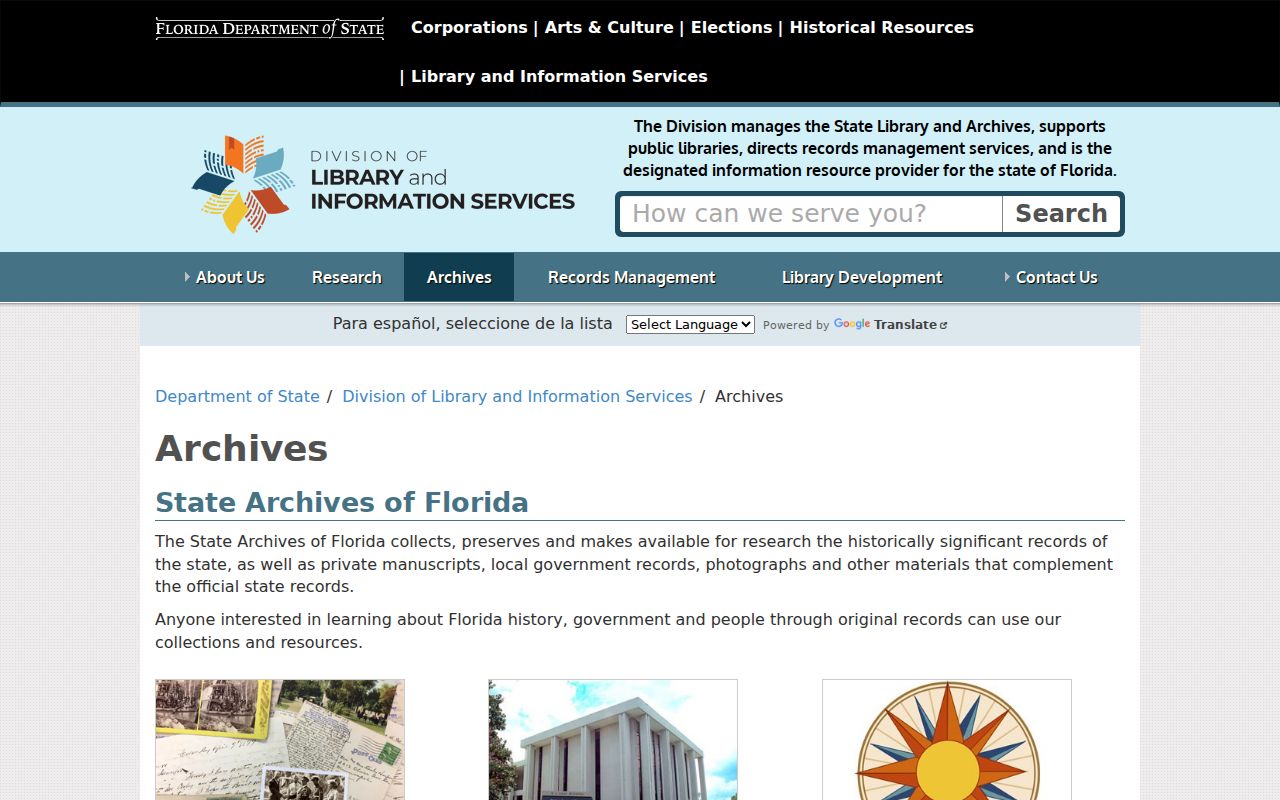
The state catalog is most useful after a local name, agency, county, or record series has narrowed the search.
Open the Broward Digital Archives search before viewing the captured interface.
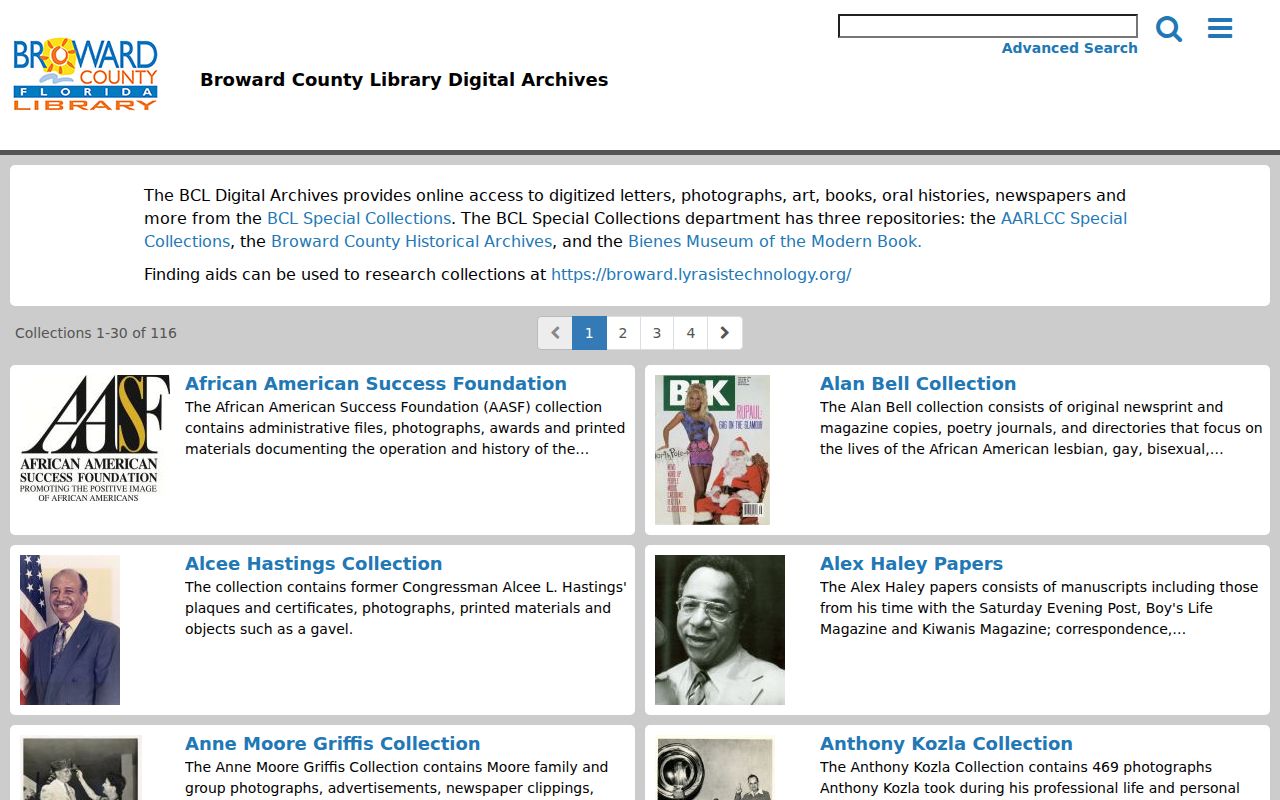
The search can surface local images and documents that explain a name, road, school, or development found in a directory entry.
Reading Miramar Directory Entries
A mid-century Polk-style entry is compact. Read it as a set of fields, not a sentence. Record the line exactly before expanding an abbreviation. The same letter can mean something different in another publisher's key, and a spouse in parentheses does not prove that both people lived there for the full publication year.
| Name | Surname, given name, middle initial, and sometimes a spouse in parentheses |
|---|---|
| Work | Occupation or employer, often shortened |
| Residence | House number and street, sometimes preceded by a residence mark |
| Householder mark | A symbol in some volumes that may distinguish an owner or householder |
| Widow notation | A widow marker and sometimes the deceased spouse's given name |
- Criss-cross directory
- A reverse section arranged by street and house number rather than by surname.
- Householder index
- A listing that focuses on the named adult tied to an address, not every person in the home.
- Abbreviation key
- The publisher's own list of shortened words and marks, often near the front of the volume.
Save the title page, publication year, entry page, street page, and key together. That small habit prevents a regional volume or shorthand mark from being cited incorrectly later.
Reverse a Miramar City Directory
A criss-cross volume reverses the normal search. Start with the street, find the house number, and read the listed person or business. It is useful when a family name is unknown, misspelled, or changed between editions. A reverse section may also reveal nearby households and businesses that help identify the right block.
Not every volume has this feature. Broward County Library has not posted a verified list of Miramar reverse-directory years, so ask staff to inspect the table of contents or street section. An address in a later western subdivision may first appear under a subdivision or postal label rather than Miramar. For modern ownership keyed by address, use the Miramar street directory workflow instead.
Miramar Directory Companion Records
Historical directories become much stronger when paired with other records. The public 1950 census can show household relationships, age, birthplace, and occupation. School yearbooks can identify a classmate or place a family in an area. Regional newspapers may contain obituaries, announcements, club notices, and address mentions. Church and civic records can help, but only when an organization has made them public.
Miramar's large foreign-born population also makes spelling tests vital. Try compound surnames, shortened given names, initials, omitted accents, married names, and Anglicized forms. Do not merge two people because one version looks close. A spouse, address, age, occupation, or dated land record should provide the second point of identity.
Federal sources can reach beyond local volumes. The PACER case locator covers federal court records, while Fold3 and archives can add military or naturalization material. These are companion sources, not substitutes for the directory page image.
Open the PACER gateway before viewing the captured interface.
Use federal results only when the name, date, and place can be tied back to the same Miramar resident.
Trace Family Through Miramar Directories
Follow a household across editions instead of treating one directory line as final proof. Miramar's fast growth means the city name, subdivision, ZIP, and street context may shift while the family remains in the same part of Broward County.
- Choose a known household and year. Search surname variants and initials in the alphabetical section.
- Copy the entry exactly, including spouse, work, marks, and address. Check the publisher's key.
- Confirm the address in the street section when the volume includes one.
- Move one edition earlier and later. Note each change in name, work, spouse, and address.
- Pair a 1950 entry with the public 1950 census. Use later directory years to bridge censuses still closed by the 72-year rule.
- When the household vanishes, test a deed sale, obituary, probate case, or neighboring city's directory.
Absence is not proof of death. A person may have moved, gone unlisted, appeared under a spouse, or fallen outside that publisher's coverage. Miramar's later westward growth also means a household may first appear under a new subdivision or ZIP. Record each negative search with the title and year so the same gap is not mistaken for a fact.
Miramar Directory Research Timeline
The city's short municipal history sets clear checkpoints for directory research. These dates show when to change sources rather than force a directory search past its useful range.
| Year | Miramar research shift |
|---|---|
| 1915 | Broward County is created from Dade and Palm Beach counties; earlier searches may require predecessor records. |
| 1950 | The newest public federal census provides household-level evidence before Miramar incorporated. |
| 1953 | Development begins on the former dairy farm with the first 56 homes. |
| 1955 | Miramar incorporates, creating a distinct municipal record layer. |
| 1977 | Full party-name searching begins in Broward Official Records, useful when directory evidence leads to ownership. |
The city's name, drawn from a Cuban town and translated by Miramar as “Look at the Sea,” adds a memorable search quirk. Miramar is landlocked, so that phrase is history, not a geographic clue.